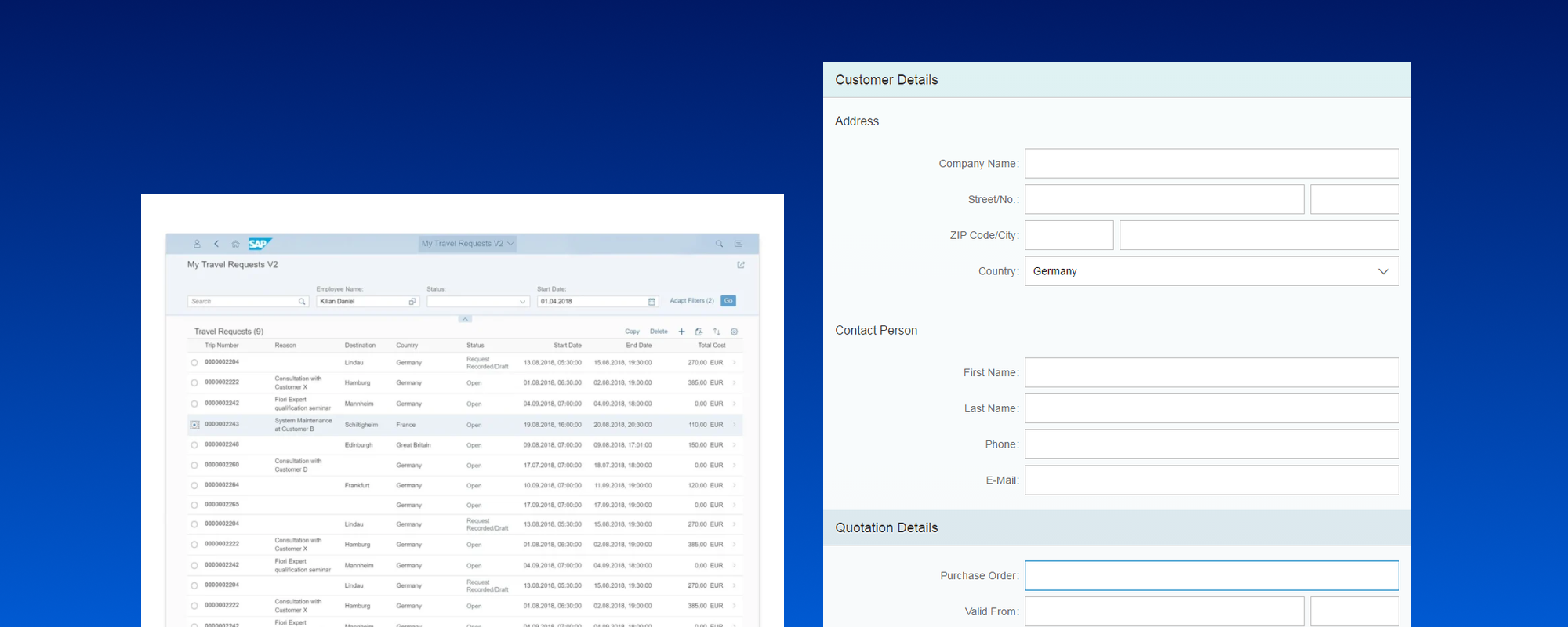
*All images are recreations and illustrative only due to NDA.
Internal System Incorporation
Reducing waiting time by 80% for HR employees and managers
Timeframe
8 months
(10 hours per week)
Role
UX Designer
Team
1 PM, 3 UX, 1 Architect,
9 Devs, 2 QA, 1 OCM
Company
Novo Nordisk
Problem
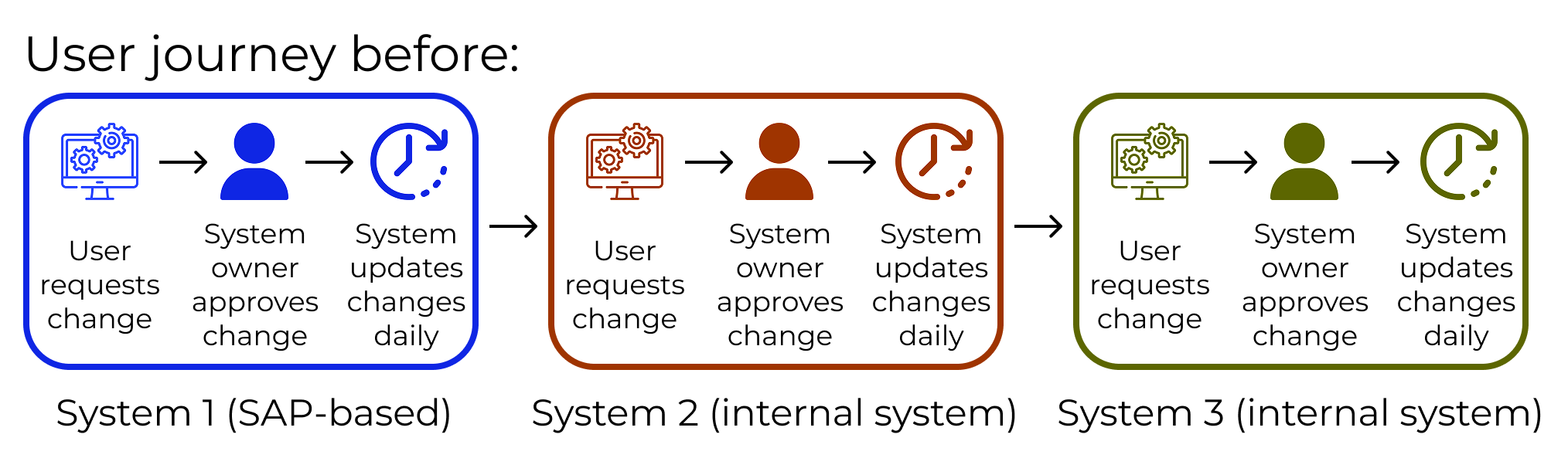
One of the internal HR processes was slow because it required employees to use three different IT systems.
Each system depended on approval from the previous one before it could be accessed,
forcing the process to happen sequentially rather than in parallel.
This could cause employees to be unable to work, costing money for the company.
Approach
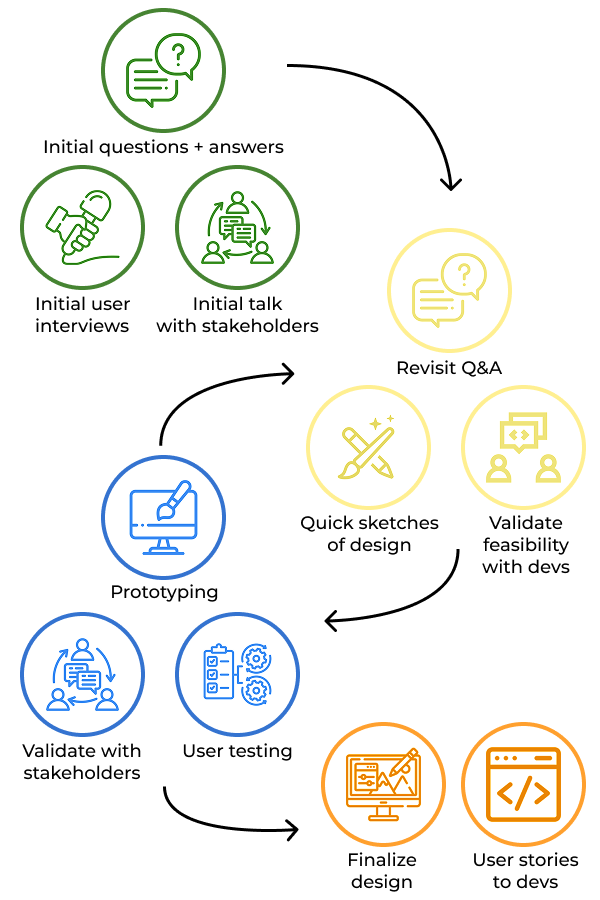
As part of a larger system migration to SAP Fiori, I was tasked with designing the experience in the SAP-based system. The goal was for users to request all their changes at once and have the approval process run in parallel instead of serial.
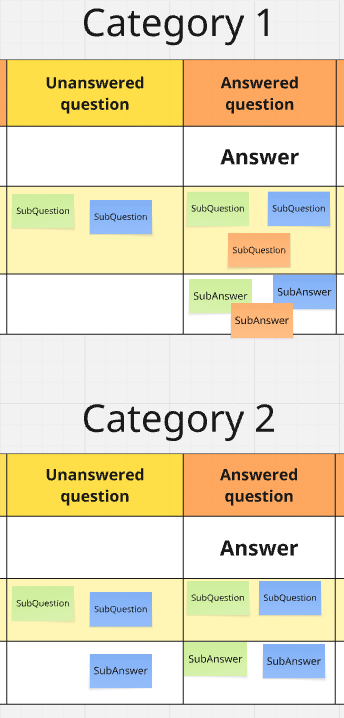
As with all projects at the beginning, the number of unanswered questions was many. To ensure questions were kept track off, I used tables in Miro accessible by the whole team to ensure nothing was forgotten. All questions were split into categories for easy searching and could have subquestions, if something else needed answering before the main question could be answered.
From there I talked with stakeholders/system owners and users to find the specific needs and requirements, along with learning limitations for the design down the road.
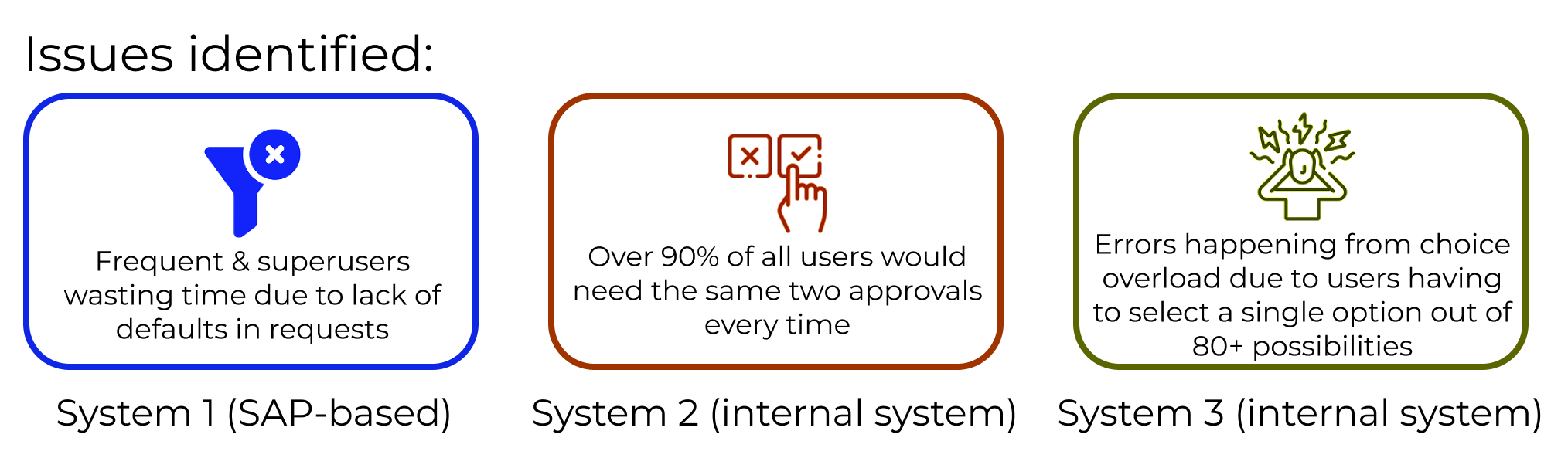
Initial research with users revealed that system 2 contained only two yes/no approvals and that over 90% of employees needed both. On the other side, system 3 had over 80 different options, where users needed to pick the singular one to match their specific use case.
Superusers and frequent users also indicated that the approval form in system 1 had many irrelevant fields for them, due to some information always being the same, leading to daily time waste when doing their tasks.
Solution
Based on the issues identified, two solutions were planned:
Request everything all at once in system 1
The initial goal of the project. By allowing users to request all approvals at once, major time could be saved.
More optimised request form for superusers
Superusers and frequent users indicated that the approval form in system 1 had many irrelevant fields for them, due to some information always being the same, leading to daily time waste when doing their tasks.
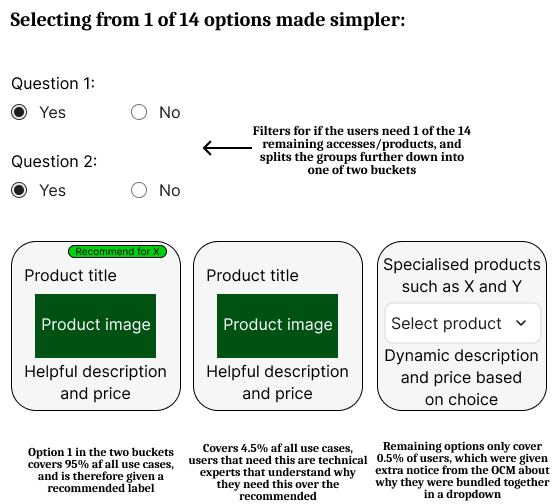
Regarding the issue of selecting a singular option out of 80+ in system 3, additional research showed only 14 of the choices were relevant. The UI was therefore created with that in mind to guide users towards what they needed as seen below.
Besides these major solutions, a number of smaller improvements were also implemented. These include better defaults and improved helper texts for when users need to make choices. In addition, a process for importing Excel files directly into the system was planned but not implemented due to time and budget constraints.
The final process ended up like this:
Overall, all these changes reduced wait time from start of process to the end by 80% from 18 days down to 3 days.
In addition, superusers where able to cut around 2 minutes per user of their work time when hiring multiple users. This resulted in 1-2 hours of saved work time for all superuser each week.
Learnings
From this project I have learned about internal politics in big IT projects. I have also learned how to take better ownership over my part of the design for the system, where I was expected to deliver the same high quality as the full-time employees.